The Body of Christ, Part One
Something felt off, but it was hard to explain why. Part One names the quiet confusion many people carry about the word “church,” makes an honest case for where institutions fall short and points toward a truth that the distortion was never able to replace.
What the Church Is Not
You may not have had words for it at the time.
Maybe it was the feeling that what was happening on Sunday morning was well-organized but somehow hollow. Or that belonging required meeting expectations that were never quite spoken but were always somehow present. Or that when something genuinely difficult happened in your life, the community that was supposed to reflect the love of Christ felt distant, procedural or simply absent.
Something felt off. And over time, a quiet conclusion began to form.
Maybe this is just what the church is.
That conclusion deserves to be examined carefully. Because it may be drawing the wrong lesson from a real experience.
The Word Has Drifted
Ask most people what the word “church” brings to mind and the answers are concrete and consistent.
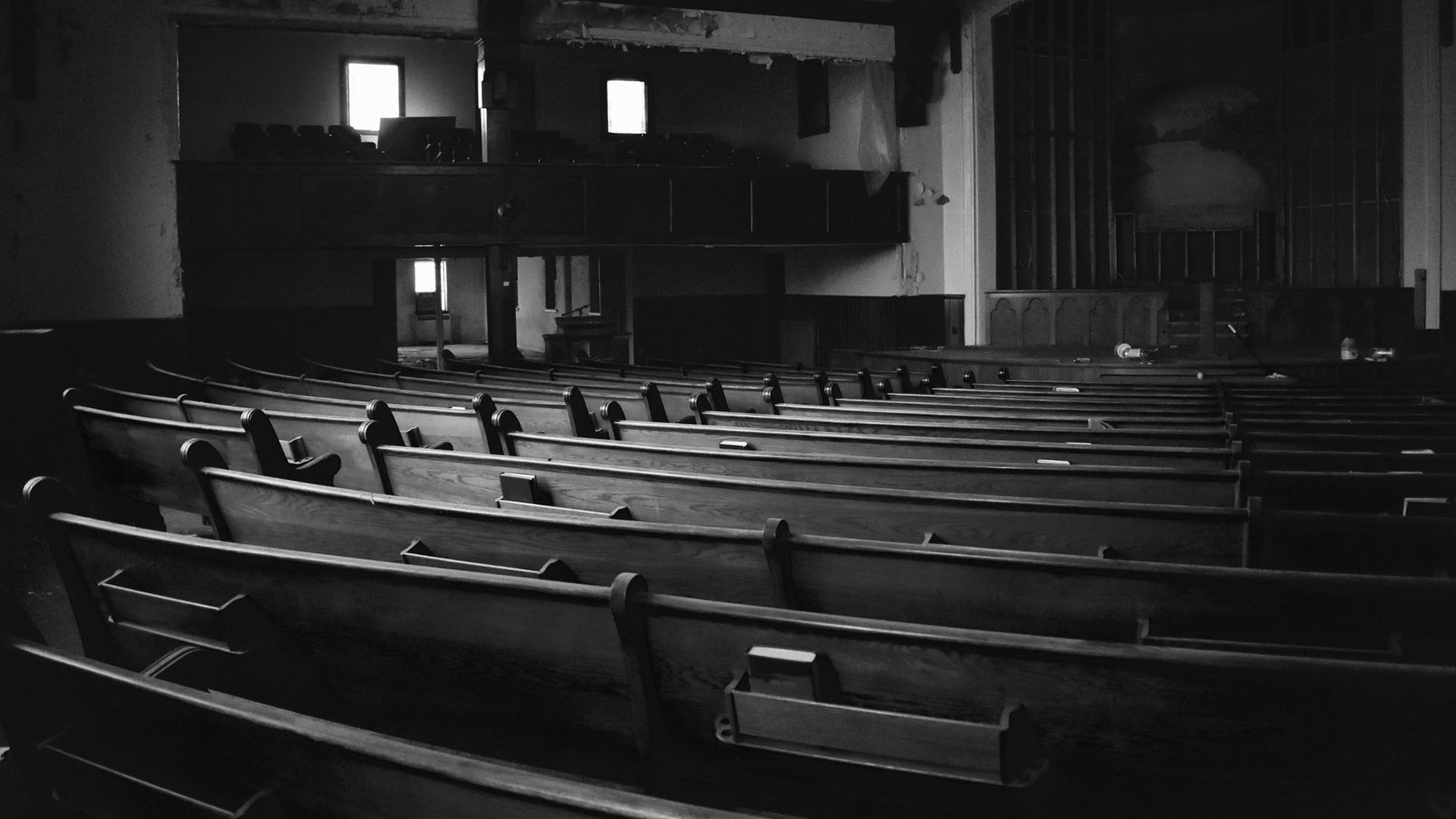
A building. A Sunday service. A pastor at a podium. A membership roll, a budget, a statement of faith posted on a website. Committees. Expectations. A particular culture with its own unspoken rules about how things are done and who fits in.
These things are visible and definable, which is part of why they have come to represent the whole concept. When something is organized enough to be seen, it becomes easy to assume it is what it is supposed to be.
But visibility does not determine truth.
Something can carry the name of Christ without reflecting His nature. A structure can be built in His name that runs primarily on human priorities: on control, on image, on the preferences of whoever holds influence. This is not a new problem. Jesus addressed it directly.
“By their fruit you will recognize them.” – Matthew 7:16
He was not speaking about buildings or budgets or statements of faith. He was speaking about what a thing actually produces over time, in the lives of people who encounter it.
Where the Institutions Fall Short
It is worth being honest here, because softening this does not serve anyone.
Some of what is called the church in our time is not functioning as the Body of Christ. It is functioning as an institution that has adopted Christian vocabulary while operating on fundamentally institutional logic, where growth is measured by attendance, health is measured by finances, and belonging is conditioned on conformity.
In those environments, what people encounter is not Christ. It is a system that may invoke His name while reflecting something else entirely.
This does not mean all institutional expressions of the church are corrupt or without value. Some local churches are genuinely seeking to be what God intended: places where Scripture is taught faithfully, where people are known and cared for, where the Holy Spirit is actually given room to move. Those communities exist and they matter. The problem is not the gathering itself. Scripture calls believers to gather, to encourage one another, to break bread together.
The problem is when the structure becomes the point. When the institution replaces what it was meant to serve.
Paul describes the church not as a structure but as a living body:
“Now you are the body of Christ, and each one of you is a part of it.” – 1 Corinthians 12:27
A body is not managed. It is not administered. It is not sustained by programming or maintained by volunteer committees. It is alive. And the source of its life is not the people who make it up. It is the One to whom they are joined.
The Weight of Recognizing This
For some people, naming this brings clarity. The confusion lifts. What felt off finally has a frame around it.
For others it brings grief, because it means that what was experienced as the church, perhaps for years, may not have been a true expression of what God actually designed. That is a real loss and it is worth grieving honestly.
But this is critical:
The failure of something built by people does not redefine what God has established.
The distortion does not replace the truth. It only makes the truth harder to see for a season.
And the truth is still present. Still alive. Still intact.
A First Glimpse
If the church is not ultimately a building, a service, or an institution, then what is it?
Scripture points toward something that cannot be constructed by human effort or contained by human organization. Something living, formed by God, and connected through Jesus Himself. Something that exists not because people decided to build it, but because the Spirit of God is moving through people who belong to Him.
That is what the next part of this series examines.
What the Body of Christ actually is, and why it changes everything.